
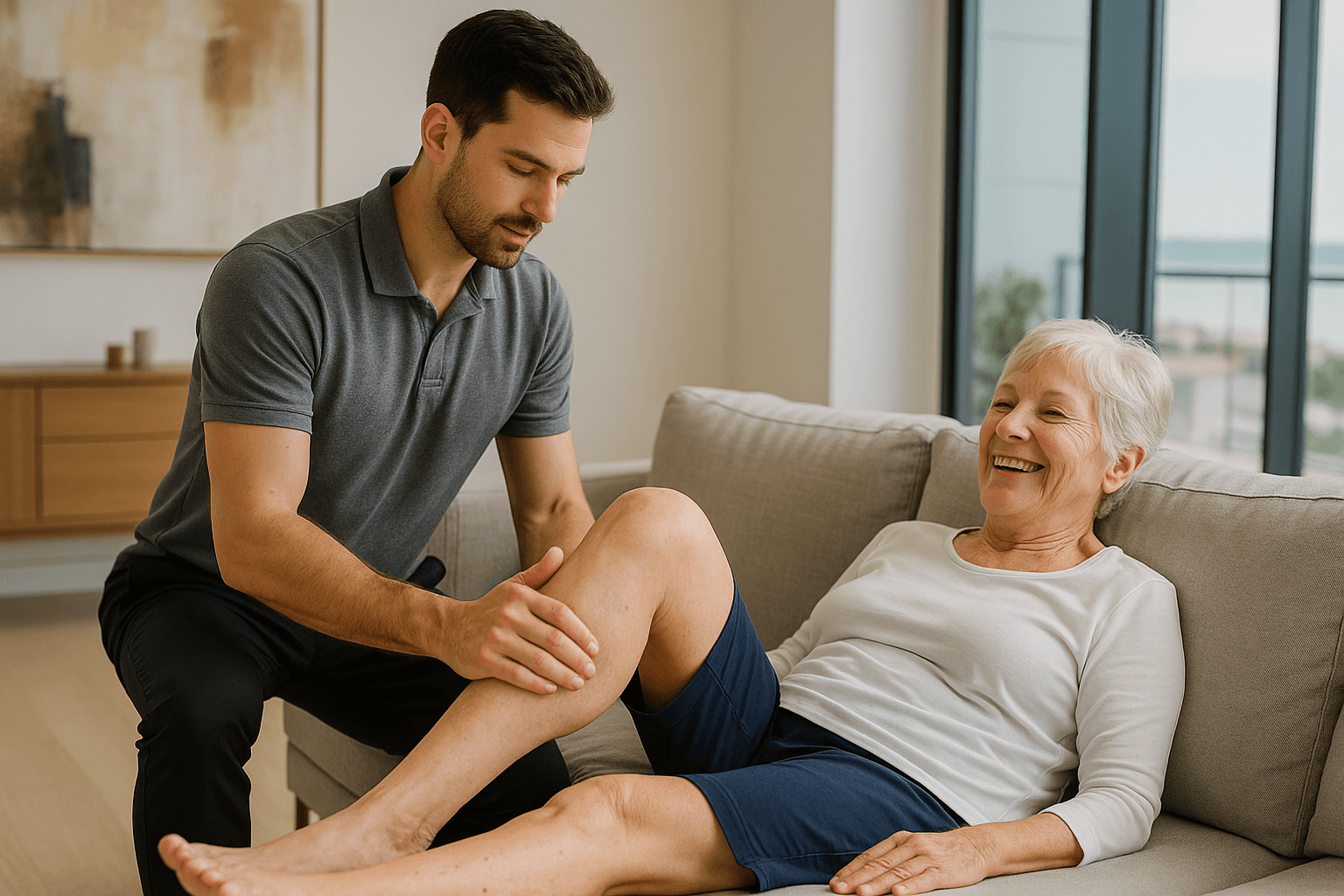
In-Home Post-Surgical Physical Therapy in Southwest Florida
Private, one-on-one post-surgical rehabilitation designed around your procedure, your surgeon’s protocol, your home environment, and the lifestyle you want to return to.
Why In-Home Post-Surgical Care Matters
-
Immediate Safety, Comfort & Mobility Guidance
You receive expert support during the earliest stage of recovery, including safe mobility, positioning, transfer training, walking guidance, and early pain-reduction strategies. This helps reduce anxiety, prevent avoidable setbacks, and make the first days after surgery feel more controlled.
-
Incision-Area, Swelling & Red Flag Monitoring
Your therapist observes incision-area appearance, dressing integrity, swelling patterns, and post-surgical red flags during visits. When something appears outside the expected recovery pattern, we help guide appropriate communication with your surgeon or medical team.
-
A More Comfortable, Confident Recovery at Home
By eliminating travel, waiting rooms, and rushed clinic visits, you recover in your own environment with dedicated, one-on-one care focused on mobility, safety, education, hands-on treatment, and steady progress.

A Procedure-Specific Recovery Plan, Not Generic Post-Op Therapy
Post-surgical rehabilitation should be built around the exact procedure you had, not just the body part involved. A total knee replacement, rotator cuff repair, reverse shoulder replacement, hip replacement, spine surgery, fracture repair, or tendon reconstruction each requires a different approach.
At Elliott Concierge Physical Therapy, your plan is shaped by the details that matter: your surgeon’s protocol, weight-bearing status, range-of-motion restrictions, surgical precautions, tissue healing timeline, implant or hardware considerations, pain and swelling response, gait quality, balance, home setup, and personal goals.
The goal is to progress at the right pace: not so aggressively that healing tissue is irritated or overloaded, and not so cautiously that stiffness, weakness, or fear begin to limit your recovery.
Your Surgery & Surgeon’s Protocol
We review the type of procedure, post-operative instructions, precautions, restrictions, and expected milestones so your care aligns with the surgical plan.
Your Healing Timeline
Bone, tendon, ligament, capsule, muscle, and joint tissues all recover at different rates. Your exercises and activity level are progressed based on the stage of healing and how your body responds.
Your Home, Lifestyle & Goals
Your plan is built around real-life recovery in Naples: walking safely at home, navigating stairs, getting in and out of the car, returning to golf, tennis, pickleball, boating, travel, and daily independence.
What We Consider When Designing Your Rehab Plan
The Phases of Your Recovery
Phase 1: Pre-Surgical Visit (Home Safety + Preparation)
Prepare your home, equipment, and body so your recovery begins with confidence and clarity.
-
A pre-surgical home visit helps ensure your environment is arranged to support a smoother, safer return from the hospital or surgical center.This includes guidance on:
Safe sleeping and resting locations
Clear, well-lit walking paths
Bathroom accessibility and stabilization
Living room and recliner setup
Entryway and stair considerations
Where to place ice machines, compression units, and frequently used items
Most patients say this portion alone decreases anxiety significantly.
-
With so many equipment options available, it can be hard to know what's necessary and what's not. I help you select and correctly set up the devices that will support your recovery — and prevent you from buying things you don’t need.
We review:
Walkers, canes, or crutches (including correct height and fit)
Shower chairs or benches
Toilet risers and bathroom safety rails
Cold therapy units and how to use them post-op
Braces, slings, and compression garments
Proper footwear for safe early walking
By the time surgery arrives, you’ll feel completely prepared.
-
Before your surgery, we walk through the exact movements you’ll rely on afterward. Practicing these transitions in advance helps reduce hesitation, eliminates fear, and makes you more independent on the very first day home.
We practice:
Getting in/out of bed using safe, joint-protective mechanics
Standing and sitting with reduced effort
Toilet and shower entry transitions
Car transfers (critical for postoperative appointments)
Stair strategies if your home requires it
Safe turning and pivoting with assistive devices
By rehearsing these movements in advance, you gain confidence and eliminate guesswork.
-
Knowledge is one of the most powerful tools you’ll have heading into surgery. I review essential information so you know exactly what’s normal, what’s expected, and how to navigate the first 72 hours.
We cover:
How your specific surgery may influence early precautions, mobility, and therapy progression
Anticipated levels of early pain and stiffness
Expected swelling patterns
Timing for icing, compression, elevation
Safe weight-bearing expectations
When you may shower or move more freely
What your first therapy session will include
Typical timelines for healing and milestones
This education empowers you to enter surgery with confidence, not confusion.
-
If a spouse, adult child, or caregiver will be supporting you, I provide them with simple, actionable instructions to make their role easier.
Your caregiver will learn:
How to assist without risking their own safety
When to help and when to let you move independently
How to manage your equipment (ice, compression, mobility devices)
What warning signs to look for
How to optimize your environment for restful recovery
Families feel relieved — and so do patients.
-
Before I leave, you receive a customized plan outlining:
Home adjustments to complete before surgery
Equipment to have ready
Pre-surgical mobility and strength exercises (if appropriate)
How to prepare mentally and physically for the first 72 hours
Exactly what will happen during your first post-surgical visit
Contact information for questions leading up to surgery
This structured plan ensures you’re fully prepared for the day of surgery and the early recovery phase — reducing stress and improving outcomes.
Phase 2: Day-Of / Next-Day Care
Hands-on support during the most vulnerable stage — ensuring safety, comfort, and peace of mind right from the start.
-
Your first visit includes a careful visual check of the surgical area to ensure your incision, dressing, and swelling appear consistent with normal post-surgical healing. I assess:
Drainage amount and color
Dressing integrity
Swelling patterns
Skin temperature and irritation
Red flags that may require surgeon communication
This is not a replacement for medical wound care. It is skilled post-surgical observation, education, and guidance so potential concerns are recognized early and directed to the appropriate medical team.
-
Managing swelling early is essential for a smooth recovery. I guide you through:
Proper elevation positioning
Safe icing/cold therapy schedules
Compression strategies
Breathing techniques to reduce tension
Gentle movement to reduce stiffness
These steps reduce discomfort and help you regain mobility sooner.
-
Most patients are unsure how to sit, sleep, or rest after surgery. I help you set up:
Bed positioning with pillows
Safe recliner or couch arrangements
Side-sleeping strategies (when appropriate)
Proper leg/arm elevation
How to avoid strain on your incision
Correct positioning protects healing tissue and improves sleep quality in the first critical days.
-
A safe return to movement begins right away. I assess and teach:
First steps with a walker, cane, or crutches
Safe bathroom mobility
Short-distance walking inside the home
Understanding weight-bearing restrictions
Early gait correction to reduce compensations
This gives you confidence and prevents bad habits from forming early.
-
If you were provided equipment such as a GameReady, CryoCuff, or brace, I ensure:
It is set up correctly
You understand recommended usage
You know how to adjust settings
You avoid common mistakes that slow recovery
Equipment is often confusing — this takes away all the guesswork.
-
Support for spouses, children, or caregivers is one of the biggest value-adds of concierge care. I provide simple instructions for:
Safe assistance during transfers
Knowing when not to help
Monitoring comfort and swelling
Managing ice and resting positions
Recognizing early warning signs
When the family knows what to do, recovery becomes calmer and smoother for everyone.
-
Before I leave, you’ll know exactly what the first 48–72 hours should look like:
How often to walk
When to rest
How much swelling is normal
Pain expectations
When to use ice vs. compression
When your next visit will occur
When to call your surgeon
This clear roadmap replaces uncertainty with confidence.
Phase 3: Early Rehabilitation (Week 0–2)
Early rehab is a balance between protection and progress. We want to restore safe movement and independence while respecting the healing tissue, surgical repair, implant, or fixation involved.
-
Early movement is essential for preventing stiffness and promoting healthy tissue healing. I guide you through:
Pain-free passive and assisted range of motion
Early mobility exercises tailored to your surgical protocol
Techniques to prevent joint stiffness
Strategies to protect your incision and avoid overloading the joint
Each movement is carefully progressed based on swelling, pain levels, and surgeon guidelines.
-
Reducing swelling early accelerates healing. During this phase, we focus on:
Elevation strategies that actually work
Compression usage and timing
Proper icing intervals
Lymphatic techniques to reduce fluid accumulation
Position changes to minimize stiffness and inflammation
You’ll know exactly what’s normal — and what isn’t.
-
Pain can fluctuate during the first two weeks. We use multiple approaches to keep you comfortable and moving:
Gentle manual therapy (when appropriate)
Incision-friendly soft tissue techniques
Breathing and relaxation strategies
Safe loading to reduce muscle guarding
Education on differentiating “surgical soreness” from warning signs
Pain becomes more predictable — and less overwhelming.
-
How you walk in the first two weeks influences how you’ll walk months later. I help you:
Use your walker, cane, or crutches with correct mechanics
Understand weight-bearing restrictions
Take safe, confident steps without compensations
Prevent limping patterns that become hard to correct later
You’ll regain independence with each step.
-
Many patients feel nervous about navigating stairs or getting in/out of bed. We work on:
Safe stair practice (step-to or reciprocal patterns as appropriate)
Bed mobility strategies
Toilet and shower transfers
Living-room and recliner transitions
Car transfer improvements
Your home becomes easier to move through every day.
-
Early activation prevents compensation and sets the foundation for long-term strength. We begin gentle, appropriate exercises targeting:
Quadriceps
Glutes
Calf complex (if safe)
Core stability
Scapular stabilizers (for shoulder surgery)
These small movements lead to huge improvements.
-
You receive a simple, personalized routine designed to support healing without overworking your body. This includes:
Mobility exercises
Circulation/ankle pumps
Gentle activation drills
Swelling management strategies
Safety reminders and dosage guidelines
The HEP evolves as your recovery progresses.
-
Patients feel calmer when they understand their recovery. During this phase, I explain:
Expected swelling patterns
Normal pain fluctuations
What stiffness means
Safe activity limits
Warning signs for infection or clot risk
When to contact your surgeon
Knowledge reduces anxiety — and prevents unnecessary ER visits.
-
Perhaps the most important part of early rehab is reassurance. You learn:
How to move safely
How much to push
How to rest effectively
How to gradually increase daily activity
By the end of Week 2, most patients feel dramatically more independent and in control of their recovery.
Phase 4: Mid + Late Rehabilitation (Weeks 2–12+)
Progress strength, balance, and functional movement as you transition from healing to full, confident recovery.
-
As stiffness decreases, we work together to:
Restore full joint mobility safely
Improve flexibility in surrounding muscles
Address any early movement compensations
Normalize joint mechanics based on your specific surgery
Each progression follows your surgeon’s protocol while matching the pace your body responds best to.
-
This is where you regain real, everyday strength. We target:
Quadriceps, hamstrings, glutes (post-knee/hip surgery)
Rotator cuff and scapular stabilizers (post-shoulder surgery)
Core and trunk support
Functional movement patterns (sit-to-stand, step-ups, reaching, lifting)
Exercises become gradually more challenging — without aggravating your healing tissues.
-
Many patients adopt subtle limps or compensations after surgery. In this phase, we correct:
Step length
Weight shifting
Foot clearance
Cadence
Confidence on uneven surfaces
We also build balance through controlled, progressive challenges to reduce future fall risk.
-
Swelling can linger for weeks. I use strategies such as:
Advanced elevation techniques
Compression, timing, and dosage
Gentle scar mobility once cleared
Soft tissue work to reduce stiffness and adhesions
Your joint begins moving more freely as swelling decreases.
-
We work on the movements that matter most to YOU:
Getting in/out of a car comfortably
Sleeping without pain
Walking longer distances
Navigating stairs with confidence
Carrying groceries
Household activities you want to return to
This restores your independence — and your quality of life.
-
For active individuals, this is where your rehab becomes more personalized. We develop sport-specific progressions, such as:
Golf: rotational mobility, hip loading, trunk sequencing, power transfer
Tennis: footwork mechanics, shoulder endurance, trunk rotation, impact control
Walking programs: graded distance, pace, and terrain progression
Workout routines: strength, mobility, and safe loading
This phase helps you get back to doing what you love — safely and confidently.
-
As healing stabilizes, we focus on:
Slow, controlled strength work
Eccentric loading for tendon recovery
Increasing resistance and volume
Improving endurance and stability
Preparing the body for full, unrestricted movement
This sets the foundation for long-term wellness.
-
Recovery does not have to end when basic mobility returns. Many patients continue with ongoing strength, balance, mobility, and wellness-focused sessions so they can keep building confidence and reduce the risk of future decline.
OngoOngoing mobility training
Strength coaching
Balance and fall prevention
Sport tune-ups for golf, tennis, or pickleball
Personalized wellness sessions
Monthly membership options
This supports your long-term health - not just your surgical recovery.
-
Throughout this phase, we continually reassess:
Strength improvements
Range of motion
Gait quality
Swelling and pain levels
Confidence with daily tasks
Readiness for higher-level activity
Patients appreciate knowing exactly where they stand and what comes next.
What You Can Expect From Concierge Post-Surgical Care
-
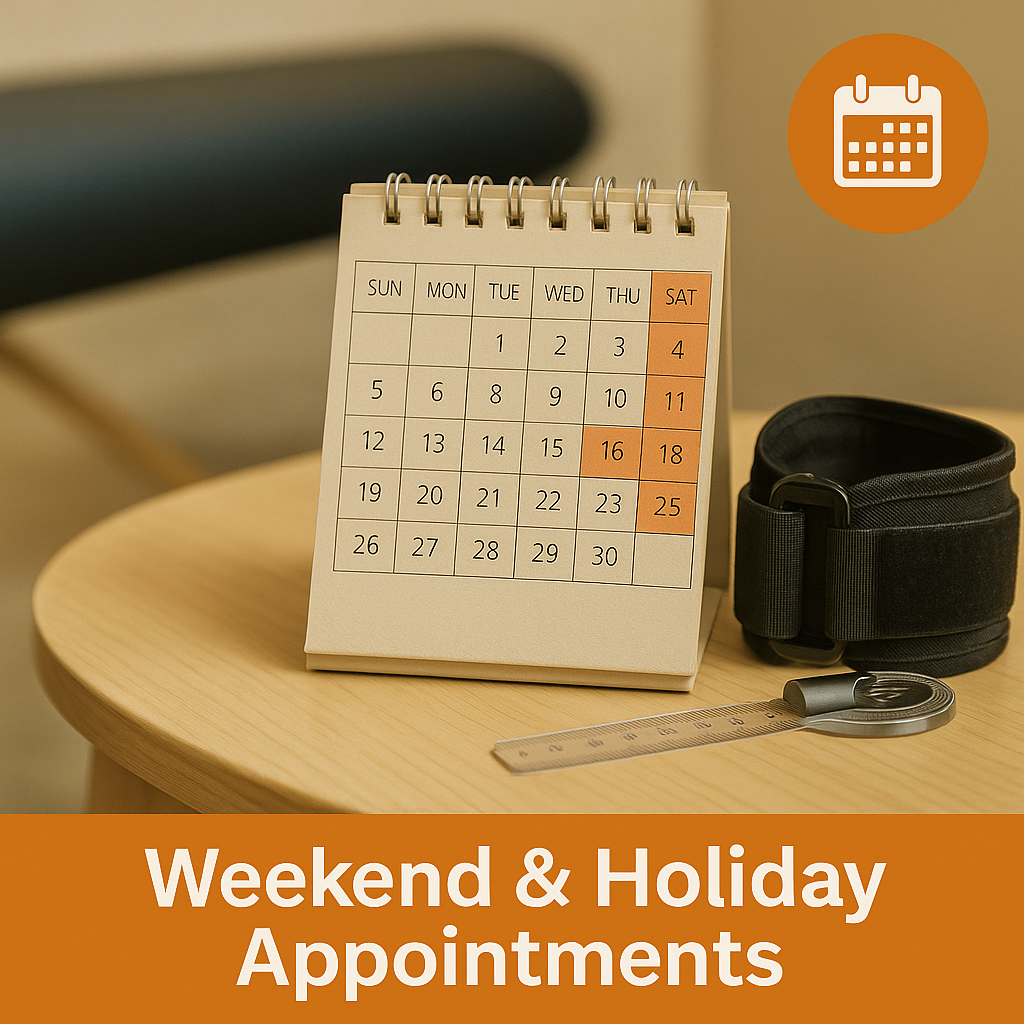
Same-Day or Next-Day Availability
We often begin care the day of surgery or the very next morning, helping patients feel safer, calmer, and more confident during the earliest stage of recovery.
-
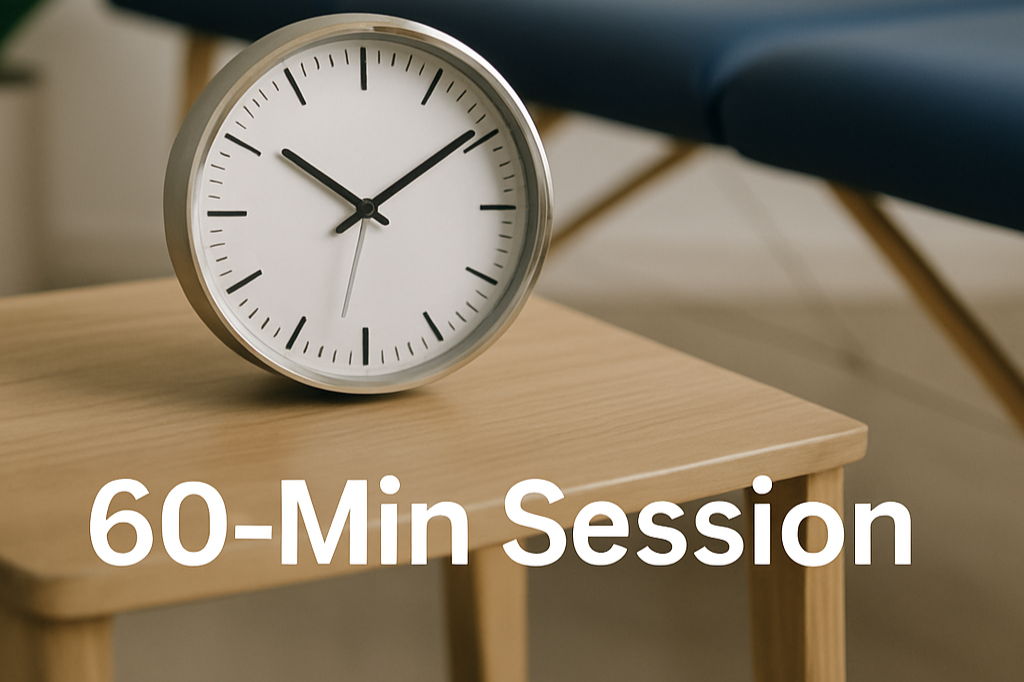
60 Minutes of Private, One-on-One Treatment
No rushed visits. No overlapping patients. Every session is fully dedicated to you, allowing time for hands-on care, gait training, exercise progression, education, home safety, and thoughtful clinical decision-making.
-

Direct Communication With Your Surgeon
Your recovery is guided with clarity and coordination. When appropriate, we coordinate with your surgeon or medical team regarding protocols, precautions, red flags, and milestones so your rehab remains aligned with the surgical plan.
-

Care Delivered Entirely in Your Home
This is especially valuable after surgery, when driving, transfers, stairs, elevators, condo hallways, and waiting rooms can make simple appointments feel exhausting.
-
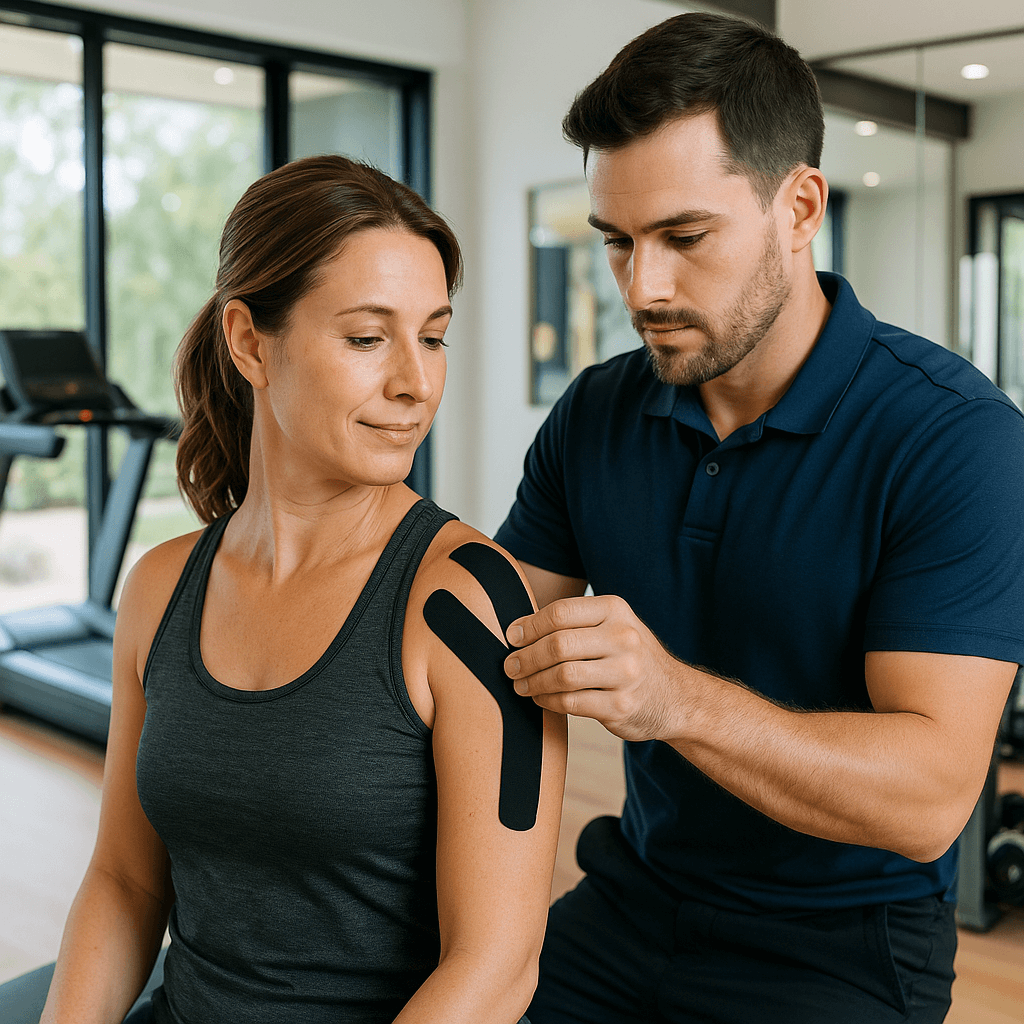
Your sessions are guided by your needs, goals, healing response, and surgical timeline, not a generic visit template.
Your sessions are guided by your needs, goals, healing response, and surgical timeline, not a generic visit template. This allows for better progress, more personal support, and a true return to the lifestyle you want.
-

Full Support From Surgery Through Full Recovery
Your care doesn’t stop when insurance would normally discharge you. I guide you through every phase — from swelling and stiffness to strength, gait, balance, and return to sport or daily activity.
Surgeries & Conditions We Treat
We commonly work with patients recovering from many orthopedic procedures. Each plan is modified based on the procedure performed, the surgeon’s protocol, the stage of healing, and the patient’s goals.
-
Total Knee Replacement (TKR)
Partial Knee Replacement
Total Hip Replacement (THR)
Total Shoulder Replacement
Reverse Shoulder Replacement
-
ACL Reconstruction
Meniscus Repair or Meniscectomy
Patellar Tendon Repair
Quadriceps Tendon Repair
Ankle Ligament Reconstruction
Achilles Tendon Repair
Foot/ankle fracture with hardware
-
Labral Repair
Hip Arthroscopy
Gluteus Medius Repair
IT Band or bursal procedures
-
Rotator Cuff Repair
Biceps Tenodesis
Shoulder Stabilization (Bankart, Latarjet)
Clavicle ORIF
Wrist or forearm fracture surgeries
-
Lumbar Fusion
Cervical Fusion
Laminectomy / Discectomy
Microdiscectomy
-
Hardware removal
Fracture repair (any limb)
Tendon or ligament reconstruction
Cartilage restoration procedures
A Recovery Plan Built Around You
Recovering from surgery is not just about completing exercises. It is about knowing what to do, what to avoid, how hard to push, when to rest, and how to progress safely based on your specific procedure and healing timeline.
Your rehabilitation is designed around your surgery, your surgeon’s precautions, your home, your goals, and the lifestyle you want to return to in Naples.
Whether you're focused on walking without fear, returning to golf or tennis, regaining independence, or simply feeling “normal” again, your recovery plan is shaped entirely around what matters most to you.
You receive:
Thoughtful, hands-on care that adapts to your healing day by day
Clear communication so you always know what’s normal, what to expect, and what comes next
Expert guidance that protects your surgical repair
A calm, private environment where you feel safe and supported
A roadmap beyond the basics - including strength, mobility, balance, and long-term wellness
Your post-surgical journey doesn’t end when your pain improves or when insurance would typically discharge you. I stay with you through full recovery, helping you move better, feel stronger, and return to the activities you love with confidence.
This is true continuity of care, built entirely around you.

What Patients Say
“Having therapy in my home after surgery changed everything. I felt safe, supported, and ahead of schedule. Matthew made the entire recovery smoother than I expected.”
- M.O. Pelican Bay